Let's be honest: the idea of storing physical gold and silver at home can seem more intimidating than it really is. Ever wonder why so many people hesitate to start investing in precious metals? It’s not because these assets aren’t attractive—in fact, gold and silver have long been go-to inflation hedges. Instead, the biggest barrier is often fear: fear of theft, damage, or just not knowing where to begin.
If you’ve been on the fence, worried about how to safely tuck away your bullion, you’re not alone. Even startup entrepreneurs navigating crises, or anyone looking to safeguard their wealth against inflation, grapple with these concerns. So what does that actually mean when it comes to home storage? How do you protect your investment without turning your home into Fort Knox?
In this post, we’re cutting through the hype and laying out a straightforward approach to storing your precious metals—gold and silver—securely at home. Along the way, we’ll demystify common misconceptions, highlight the importance of trust in financial services, and point to solid solutions, including insights from trusted dealers like Gold Silver Mart. By the end, you’ll have a practical roadmap for owning and protecting your metals without the usual headaches.

Why Invest in Gold and Silver Now?
The past decade has taught us a lot about financial uncertainty. Pandemic, geopolitical tensions, inflation spikes—the kind of landscape where tangible assets suddenly look very attractive. You might have heard the term, “inflation hedge,” but what does that really mean?
Simply put, gold and silver tend to hold their value or even rise when inflation soars. Unlike cash, which can lose purchasing power as prices climb, bullion preserves wealth in a way that’s tangible—a physical store of value. This is why entrepreneurs and everyday investors alike turn to precious metals during crises, seeking stability amidst chaos.
The Trust Factor: Why Dealer Reputation Matters
Another key theme when diving into precious metals is trust. This market isn’t just about buying shiny coins or bars; it’s about who you’re buying from and the transparency they offer. Dealers like Gold Silver Mart have built their reputation by providing clear information on pricing, premiums, and product quality.
Sounds crazy, right? In an era of online shopping and faceless transactions, you want a dealer who can answer your questions directly, show you exactly what you’re buying, and has a proven track record. Trust isn’t just a buzzword here—it’s foundational.
Common Mistake: Being Too Intimidated to Start
One mistake I see frequently is people delaying their entry into the metals market because they're overwhelmed or unsure about safekeeping. This hesitation can cost you, especially if inflation bites hard or geopolitical risks increase.
Here’s the truth: you don’t need a high-security vault or a background in finance to start investing in physical gold and silver. With some basic precautions and smart strategies, you can safely store bullion at home. Let’s break that down.
Storing Your Metals at Home: Options and Risks
1. Home Safe for Bullion
First and foremost, if you’re holding any significant quantity of precious metals, it’s wise to invest in a home safe for bullion. Not just any safe will do—look for one that is:
- Heavy and boltable: Should be heavy enough not to be easily carried away and bolted to the floor or wall. Fire-resistant: While metals can survive fire better than paper, a fire-resistant safe adds extra peace of mind. Secure locking mechanism: Combination locks, biometric access, or high-quality key locks make unauthorized access difficult.
Sounds simple but here’s the catch: some folks buy a cheap safe, stash it in the basement, and call it a day. That’s inviting risk. A well-placed, well-secured safe is your best defense.
2. Hiding Precious Metals: Smart or Risky?
Ever wonder why some investors get creative with hiding spots? It’s tempting to tuck bars inside walls, beneath theyeshivaworld.com floorboards, or in miscellaneous household items. While this can deter casual thieves, professional burglars often know the obvious—and not-so-obvious—places to look.
Plus, hiding metals behind drywall or in humid areas can increase the risk of damage. Silver, in particular, is prone to tarnish if exposed to moisture over time.
Instead of purely relying on hiding, you want layered security: a good safe combined with discretion about where and how you keep your metals.
3. Insurance for Gold and Silver Held at Home
Here’s another piece of the puzzle: insurance for gold is critical. Homeowner’s or renter’s insurance policies don’t typically cover high-value bullion unless explicitly scheduled with the insurer.
Getting a specialized policy or endorsement means your metals are protected not only against theft but also damage or loss. Companies like Gold Silver Mart often recommend speaking with your insurance provider as soon as you start accumulating sizeable holdings.
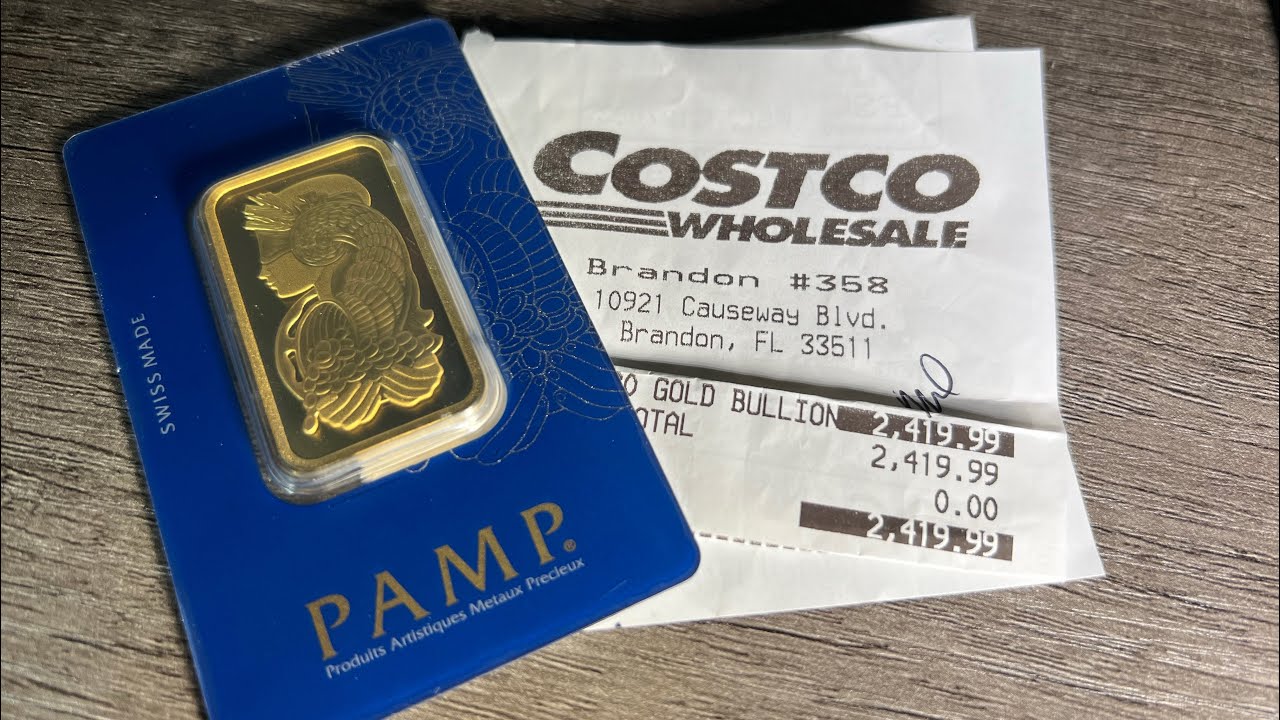
Remember: if you don’t insure your bullion, a burglary or disaster means a direct hit to your investment. Insurance isn’t cheap, but it’s the cost of peace of mind.
Entrepreneurship During a Crisis: Lessons from the Metals Market
It’s no coincidence that many entrepreneurs move into precious metals during times of crisis. When traditional markets sputter, and uncertainty looms, metals offer a tangible asset that’s understood worldwide. This entrepreneurial spirit isn’t just about buying gold bars; it’s about educating yourself, mitigating risks, and building a portfolio that can weather storms.
Dealers like Gold Silver Mart have thrived because they demystify precious metals for beginners—offering not just products but knowledge. For investors, that means stepping past intimidation and taking informed action.
Step-by-Step Guide to Safely Storing Your Bullion at Home
Choose the Right Safe: Invest in a high-quality, boltable, fire-resistant safe sized for your holdings and future growth. Install Securely: Bolt the safe to a solid floor or wall. Avoid obvious places like master bedrooms—think about basements or utility rooms. Limit Knowledge: Don’t broadcast your holdings on social media or to casual acquaintances. Fewer people knowing reduces risk. Get Professional Valuations: Keep receipts, certificates, and have metals appraised to aid insurance claims. Review Insurance Options: Talk with your insurer about scheduling your metals under your policy. Consider Diversification: Don’t keep 100% of your metals at home. Consider a safety deposit box or insured storage solutions if you accumulate large quantities.Conclusion: The Power of Taking Control
So, what does all this mean for you? If you’ve been holding back from investing in gold and silver because of storage fears, here’s the simple truth: with the right approach, it’s manageable. A home safe for bullion, combined with insurance and some basic diligence, can significantly reduce your risks.
Precious metals remain one of the most reliable ways to hedge against inflation and crisis, and the market today—backed by reputable dealers like Gold Silver Mart—is more accessible and transparent than ever. Don’t let intimidation keep you from taking action. With a clear plan and trustworthy partners, you can secure your metals and your financial future.
And remember, in a world full of digital bytes and fleeting assets, that silver Maple Leaf coin on my desk is a reminder: real wealth is tangible, and worth protecting.